
Low Testosterone
Low testosterone affects energy, strength, mood, and libido in men. Personalized therapy can restore your levels and how you feel.
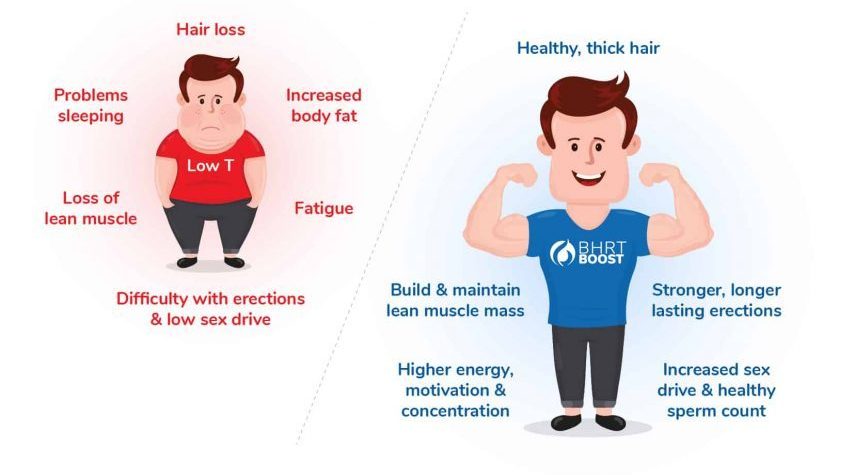
- Persistent fatigue and low energy
- Reduced muscle mass and strength
- Increased body fat, especially midsection
- Brain fog and poor concentration
- Low libido or erectile difficulties

What Is Low Testosterone?
Low testosterone — often called “low T” — occurs when the body doesn’t produce enough testosterone to maintain normal physiological function. Testosterone is the primary male sex hormone, but its influence extends far beyond reproductive health. It plays a critical role in energy production, muscle maintenance, fat metabolism, cognitive function, mood regulation, and cardiovascular health.
Testosterone levels naturally begin to decline in a man’s early 30s, typically dropping 1-2% per year. By the time many men reach their 40s and 50s, this gradual decline can produce symptoms significant enough to affect daily quality of life.
Common Symptoms
The symptoms of low testosterone are often subtle at first and easy to attribute to aging, stress, or poor sleep. But when multiple symptoms appear together, they often point to a hormonal root cause:
- Persistent fatigue that doesn’t improve with rest
- Loss of muscle mass or difficulty building strength despite exercise
- Increased abdominal fat or overall weight gain
- Brain fog, difficulty concentrating, or memory issues
- Reduced libido or changes in sexual function
- Mood changes — irritability, low motivation, or feelings of depression
- Poor sleep quality or restless nights
- Decreased recovery from workouts or physical activity
What Causes It?
Several factors can contribute to low testosterone:
- Age-related decline — The most common cause, affecting nearly all men over time
- Chronic stress — Elevated cortisol suppresses testosterone production
- Poor sleep — Testosterone is primarily produced during deep sleep
- Obesity — Excess body fat converts testosterone to estrogen via aromatase
- Metabolic conditions — Insulin resistance and type 2 diabetes are strongly correlated
- Environmental factors — Exposure to endocrine disruptors in food, water, and household products
- Medications — Certain prescriptions (opioids, statins, corticosteroids) can lower testosterone
How BHRT Can Help
At BHRT Boost, testosterone therapy is built on lab-confirmed data, not guesswork. Your provider evaluates your total and free testosterone alongside SHBG, estradiol, thyroid markers, and metabolic panels to understand the full picture.
Treatment is personalized to your body — the right formulation, the right dose, with regular monitoring to keep your levels optimized. Most men notice meaningful improvements in energy, mood, and focus within the first few weeks, with continued gains in strength, body composition, and libido over the following months.
What to Expect From Treatment
Your journey begins with a consultation and comprehensive lab work. Once your provider has reviewed your results, they’ll walk you through a personalized protocol designed specifically for your body and goals.
Follow-up labs are scheduled regularly to track your progress and fine-tune your dosing. The goal isn’t just to reach “normal” — it’s to optimize your levels for how you want to feel and perform.
Recommended Treatments
Testosterone Therapy
For MenEvidence-based testosterone therapy for men experiencing low T — restore drive, strength, and mental sharpness.
Learn more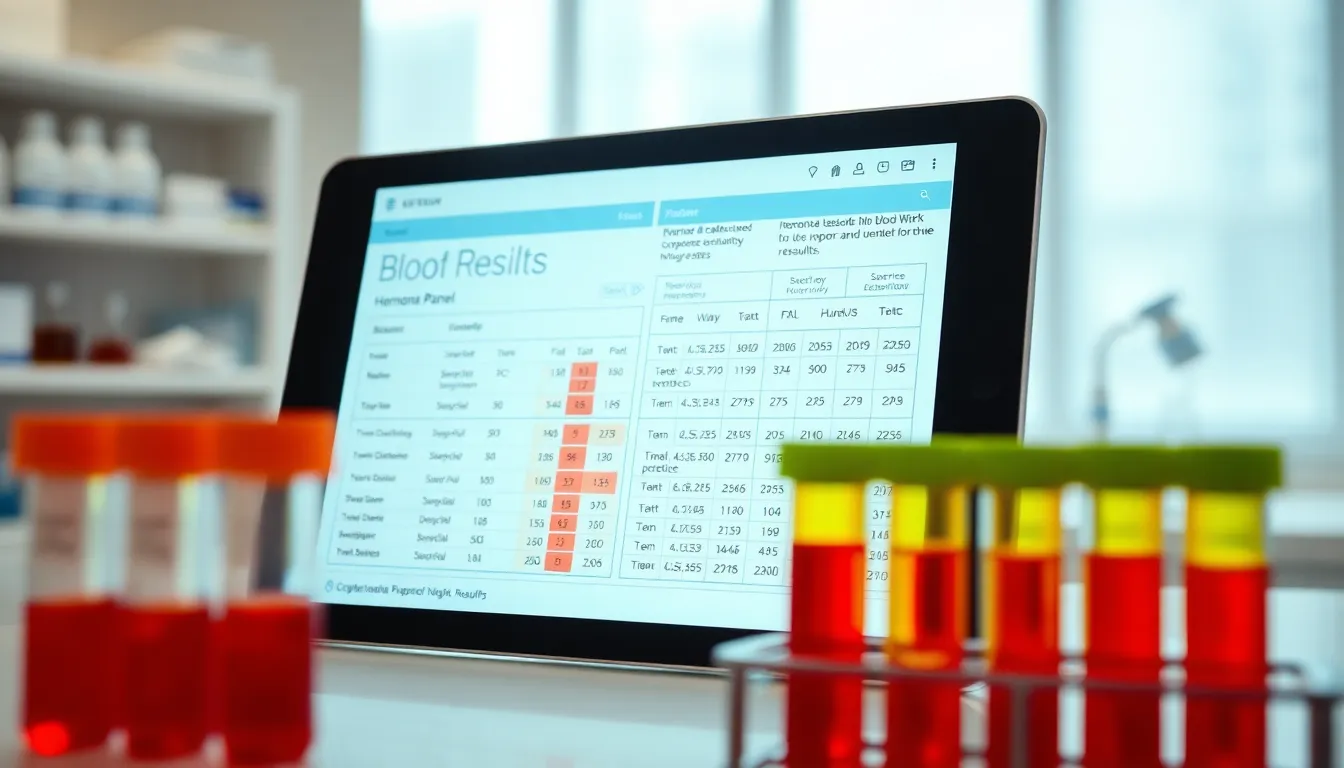
Lab Review
Men & WomenIn-depth hormone panels and biomarker analysis to create a precise, data-driven optimization strategy.
Learn more
Peptide Therapy
Men & WomenAdvanced peptide protocols to support recovery, metabolism, sleep quality, and cellular regeneration.
Learn moreRelated Conditions

Low Libido (Men)
For MenReduced sexual desire in men is often hormonal. Testosterone optimization can restore drive, confidence, and intimacy.
Learn more
Brain Fog
Men & WomenHormonal imbalance is a leading cause of brain fog, difficulty concentrating, and memory lapses in adults over 35.
Learn more
Sleep Issues
Men & WomenHormonal imbalance is a major cause of insomnia, restless nights, and poor sleep quality — especially after 35.
Learn more
Start Your Personalized Hormone Optimization Plan
Book a consultation and take the first step toward renewed energy, clarity, and balance.