
The Complete Guide to Bioidentical Hormone Replacement Therapy (BHRT)
Everything you need to know about bioidentical hormone therapy — what it is, how it works, who it's for, the science behind it, delivery methods, safety profile, and how to get started with a personalized protocol.

What Is Bioidentical Hormone Replacement Therapy?
Bioidentical hormone replacement therapy (BHRT) uses hormones that are chemically identical — at the molecular level — to those your body produces naturally. Unlike conventional synthetic hormones, which have altered molecular structures, bioidentical hormones are designed to bind to your receptors and interact with your endocrine system exactly the way your own hormones do.
The term “bioidentical” refers specifically to the molecular structure. Whether derived from plant precursors (typically soy or wild yam) or synthesized in a lab, the defining characteristic is structural identity with human hormones. Your body cannot distinguish between a bioidentical hormone and the one your own glands produce.
The most commonly prescribed bioidentical hormones include:
- Estradiol (E2) — The primary form of estrogen in premenopausal women and the most biologically active estrogen
- Progesterone — Essential for balancing estrogen, supporting sleep, mood, and uterine health
- Testosterone — Critical for both men and women, affecting energy, muscle mass, libido, cognitive function, and mood
- DHEA — A precursor hormone produced by the adrenal glands that supports multiple hormonal pathways
- Pregnenolone — Often called the “mother hormone” because it is the precursor from which many other hormones are synthesized
- Thyroid hormones (T3/T4) — Regulate metabolism, energy, body temperature, and cognitive function
BHRT is used to address the hormonal decline that occurs naturally with aging — including menopause and perimenopause in women, low testosterone in men, and age-related declines in DHEA, pregnenolone, and thyroid function in both sexes.
How BHRT Differs from Conventional Hormone Therapy
Understanding the distinction between bioidentical and conventional (synthetic) hormones is critical for making an informed treatment decision. The differences are not just semantic — they have real clinical implications.
Molecular Structure
Conventional hormone therapy typically uses hormones with modified molecular structures. The most well-known example is medroxyprogesterone acetate (MPA, brand name Provera), a synthetic progestin that differs structurally from the progesterone your body produces. Similarly, conjugated equine estrogens (CEE, brand name Premarin) are derived from pregnant horse urine and contain estrogen compounds not found in the human body.
Bioidentical hormones — including estradiol, micronized progesterone, and testosterone — match the exact molecular structure of human hormones. This structural identity means they interact with hormone receptors in the same way as endogenous hormones, following the same metabolic pathways.
Clinical Implications
The structural differences between synthetic and bioidentical hormones are not trivial. Research published in peer-reviewed journals has demonstrated that micronized progesterone (bioidentical) has a different safety profile than medroxyprogesterone acetate (synthetic) — particularly with respect to breast tissue, cardiovascular markers, and blood clotting factors.
The landmark Women’s Health Initiative (WHI) study, which raised concerns about hormone therapy in 2002, used conjugated equine estrogens and medroxyprogesterone acetate — not bioidentical hormones. Many clinicians in the field of age management medicine argue that the WHI findings should not be broadly applied to bioidentical hormone therapy, as the hormones studied were structurally and pharmacologically different.
For a detailed side-by-side comparison, see our article on bioidentical hormones vs synthetic.
Customization
Another key difference is the ability to customize. While conventional HRT typically comes in standardized doses, BHRT can be compounded to match each patient’s individual needs — adjusting the specific hormones, dosages, and delivery methods based on lab results, symptoms, and clinical response.
The Science Behind BHRT
Bioidentical hormone therapy is grounded in endocrinology — the study of the body’s hormone-producing glands and the chemical messengers they secrete. Here’s how the underlying biology works.
The Endocrine System and Hormonal Decline
Your endocrine system is a network of glands — including the hypothalamus, pituitary, thyroid, adrenals, ovaries, and testes — that communicate through hormones. These chemical messengers regulate virtually every system in the body: metabolism, immune function, mood, cognition, sexual function, sleep, and cellular repair.
Hormone production follows a lifecycle arc. Levels rise through puberty and peak in early adulthood. Beginning in the late twenties to thirties, production of key hormones begins a steady decline. For women, this decline accelerates dramatically during perimenopause and menopause. For men, testosterone drops approximately 1–2% per year after age 30.
This decline is not a disease — it is a normal biological process. But the symptoms it produces can be significant: fatigue, brain fog, weight gain, sleep disruption, mood instability, loss of muscle mass, decreased libido, and more.
How Bioidentical Hormones Work in the Body
When administered, bioidentical hormones enter the bloodstream and bind to the same receptors as your endogenous hormones. Because their molecular structure is identical, they activate the same downstream signaling cascades — gene expression, enzyme activation, protein synthesis — that your natural hormones would.
This is the fundamental advantage of bioidentical over synthetic: the body processes them through normal metabolic pathways. For example, micronized progesterone is metabolized to allopregnanolone, a neurosteroid that promotes calm and sleep quality. Synthetic progestins do not produce this metabolite, which may explain why patients on bioidentical progesterone often report better sleep and mood compared to those on synthetic alternatives.
The Role of Lab Testing
BHRT is only as effective as the data behind it. Comprehensive lab work is the foundation of every treatment protocol. A thorough hormone panel typically includes:
- Total and free testosterone — Both are important; total alone can be misleading
- Estradiol (E2) — The primary active estrogen
- Progesterone — Essential for estrogen balance
- DHEA-S — Reflects adrenal hormone output
- Sex hormone-binding globulin (SHBG) — Determines how much free hormone is available
- Thyroid panel (TSH, Free T3, Free T4) — To assess metabolic and thyroid function
- IGF-1 — A marker of growth hormone status
- Complete metabolic panel and CBC — To establish baseline health markers
- Cortisol — To evaluate adrenal function
Standard reference ranges provided by most labs represent statistical averages — they tell you what is “normal” for a large population, not what is optimal for you. Functional and age management practitioners like Dr. Bruce Stratt use narrower optimal ranges to identify suboptimal levels that conventional labs might flag as “normal” despite the patient experiencing symptoms.
For more on this distinction, see Why Standard Lab Ranges Aren’t Optimal: The Functional Approach.
BHRT Delivery Methods
One of the advantages of bioidentical hormone therapy is the range of delivery methods available. Each method has different pharmacokinetics — how the hormone is absorbed, distributed, and metabolized — which affects both efficacy and side effect profiles.
Topical Creams and Gels
Applied to thin-skinned areas (inner wrist, inner thigh, behind the ears), topical formulations allow hormones to absorb through the skin directly into the bloodstream. This bypasses first-pass liver metabolism, reducing strain on the liver.
Best for: Patients who prefer daily application, want precise dose adjustability, or are sensitive to hormonal fluctuations.
Considerations: Absorption rates vary by skin type, body composition, and application consistency. Transfer risk to partners or children through skin contact.
Subcutaneous Pellets
Small, compressed pellets (typically about the size of a grain of rice) are inserted beneath the skin during a brief in-office procedure. Pellets release a steady, consistent dose of hormone over 3–6 months.
Best for: Patients who want convenience and steady-state hormone levels without daily dosing.
Considerations: Once inserted, the dose cannot be easily adjusted until the pellet is absorbed. Requires a minor procedure for each cycle. For a deep dive, see our guide on BHRT pellet therapy.
Injections
Intramuscular or subcutaneous injections deliver hormones directly into the bloodstream. Testosterone is most commonly administered this way (typically weekly or biweekly), though estradiol injections are also available.
Best for: Patients — particularly men on testosterone optimization — who want reliable absorption and straightforward dosing.
Considerations: Hormone levels can fluctuate between injections (peak and trough), though frequent subcutaneous injections minimize this. Some patients are uncomfortable with self-injection.
Oral and Sublingual
Capsules or troches (sublingual lozenges) are taken by mouth. Micronized progesterone is commonly prescribed as an oral capsule (brand name Prometrium).
Best for: Progesterone supplementation, where oral delivery produces beneficial metabolites (allopregnanolone for sleep and mood).
Considerations: Oral estrogen undergoes first-pass liver metabolism, which can increase SHBG and affect clotting factors. For this reason, transdermal estradiol is generally preferred over oral forms.
Patches
Transdermal patches deliver a steady dose of hormone through the skin over days.
Best for: Patients who prefer a “set it and forget it” approach without injections.
Considerations: Skin irritation at the application site is common. Adhesion issues in warm or humid climates.
Your provider will recommend the optimal delivery method based on your labs, the specific hormones being prescribed, your lifestyle, and your clinical goals.
Who Is BHRT Right For?
Bioidentical hormone therapy is appropriate for a wide range of adults experiencing symptoms of hormonal decline or imbalance. Common candidates include:
Women
- Experiencing perimenopause symptoms: irregular cycles, hot flashes, night sweats, mood changes, sleep disruption
- In menopause: vasomotor symptoms, vaginal atrophy, bone density loss, cognitive decline, weight gain
- With estrogen or progesterone imbalance confirmed by lab testing
- Dealing with hormone-related low libido, fatigue, or anxiety
- Post-hysterectomy or post-oophorectomy with surgical menopause
For more on hormone therapy during menopause, read our guide: Hormone Therapy and Menopause: What Every Woman Should Know.
Men
- With lab-confirmed low testosterone (hypogonadism)
- Experiencing symptoms of age-related testosterone decline: fatigue, low libido, muscle loss, brain fog, irritability, weight gain
- Seeking performance, vitality, and longevity optimization through testosterone optimization
For a comprehensive overview, see our Testosterone Replacement Therapy Guide.
Both Men and Women
- With thyroid imbalance contributing to fatigue, weight gain, or cognitive symptoms
- With adrenal fatigue or chronic stress affecting cortisol and DHEA levels
- Experiencing brain fog, sleep disruption, or hormone-related weight gain
- Interested in proactive age management and longevity
Not sure if you’re a candidate? Our self-assessment guide — Signs You May Need Hormone Therapy — can help you evaluate your symptoms.
Is BHRT Safe?
Safety is the most common concern patients raise about hormone therapy, and it deserves a thorough, evidence-based answer.
What the Research Shows
The safety profile of bioidentical hormones has been studied extensively. Key findings from peer-reviewed research include:
-
Micronized progesterone vs. synthetic progestins: Studies published in medical journals have found that micronized progesterone does not carry the same breast cancer or cardiovascular risk as medroxyprogesterone acetate. The KEEPS and ELITE trials provided further evidence supporting the safety of bioidentical estradiol when initiated within 10 years of menopause.
-
Transdermal estradiol: Unlike oral estrogen, transdermal estradiol does not increase the risk of blood clots or stroke at standard doses, because it bypasses first-pass liver metabolism.
-
Testosterone in men: Testosterone replacement therapy in men with confirmed hypogonadism has been associated with improvements in body composition, bone density, mood, and cardiovascular risk markers. The TRAVERSE trial (published 2023) — the largest randomized controlled trial of testosterone therapy to date — found no increased risk of major adverse cardiovascular events.
-
Testosterone in women: Low-dose testosterone therapy in women has been shown to improve libido, energy, and well-being, with a favorable safety profile when dosed appropriately.
The Importance of Clinical Oversight
BHRT is not a supplement you can safely self-administer. It requires proper diagnosis through comprehensive lab testing, individualized dosing, and ongoing monitoring by a qualified provider. The risks associated with hormone therapy are almost always related to improper dosing, inappropriate candidates, or lack of monitoring — not the hormones themselves.
At BHRT Boost, every protocol is designed and overseen by experienced providers who specialize in hormone optimization, including Dr. Bruce Stratt, MD, a board-certified physician with over two decades of experience in age management medicine.
For a detailed analysis of the safety evidence, read Is Bioidentical Hormone Therapy Safe? What the Research Says.
What to Expect When Starting BHRT
Step 1: Comprehensive Lab Panel
Everything begins with data. Your provider orders a detailed lab panel that goes well beyond what most primary care physicians test. This gives a complete picture of your hormonal landscape, metabolic health, and any underlying issues that need to be addressed.
Step 2: Clinical Consultation
Your provider reviews your labs alongside your symptoms, health history, goals, and lifestyle. Together, you develop a personalized protocol — choosing the right hormones, doses, and delivery methods for your unique biology.
Step 3: Protocol Initiation
You begin your personalized hormone protocol. Your provider explains dosing, timing, and what to watch for during the initial adjustment period.
Step 4: Follow-Up and Optimization
Hormone therapy is not a one-time intervention. Your first follow-up typically occurs 6–8 weeks after starting treatment, with labs drawn to assess your response. Your provider adjusts your protocol as needed — fine-tuning doses, switching delivery methods, or adding complementary therapies like peptide therapy or sermorelin based on your progress.
Step 5: Ongoing Monitoring
Long-term optimization requires regular lab monitoring (typically every 3–6 months) and periodic clinical reassessment. This ensures your protocol continues to deliver results as your body changes and your goals evolve.
Timeline: When Will You Feel Results?
Results vary by individual, but most patients follow a general timeline:
Weeks 1–3: Improved sleep quality, reduced anxiety, and early energy improvements. Progesterone in particular often produces noticeable sleep benefits quickly.
Weeks 3–6: More consistent energy, improved mood stability, early improvements in libido and mental clarity.
Weeks 6–12: Significant body composition changes (fat loss, muscle gain), cognitive improvements, sustained energy, and deepening of all initial benefits.
Months 3–6: Full optimization. Patients typically report feeling like themselves again — or better than they have in years. Lab markers confirm hormonal balance.
Ongoing: Benefits are maintained with ongoing therapy and periodic adjustment. Patients who discontinue BHRT typically see symptoms return as hormone levels decline again.
For detailed expectations by phase, see How Long Does BHRT Take to Work?.
BHRT and Complementary Therapies
Hormone optimization is most effective as part of a comprehensive health strategy. At BHRT Boost, BHRT is frequently combined with:
- Peptide therapy — Growth hormone-releasing peptides like sermorelin enhance sleep, recovery, and body composition alongside hormone optimization
- Comprehensive lab monitoring — Regular panels ensure every aspect of your health is tracked and optimized
- Nutrition and exercise guidance — Hormones work best when supported by appropriate nutrition, strength training, and sleep hygiene
- Stress management — Chronic stress elevates cortisol, which directly opposes the effects of testosterone, estrogen, and progesterone. Addressing stress is part of a complete optimization strategy
How to Get Started
If you’re experiencing symptoms of hormonal decline — whether it’s fatigue, weight gain, brain fog, low libido, sleep disruption, or mood changes — the first step is a comprehensive lab panel and clinical consultation.
At BHRT Boost, every protocol is built on lab data and individualized to your biology. There is no one-size-fits-all approach. Your provider will work with you to design a treatment plan that addresses your specific symptoms, optimizes your hormone levels, and supports your long-term health goals.
Frequently Asked Questions
Are bioidentical hormones FDA-approved? Several bioidentical hormone products are FDA-approved, including estradiol patches, gels, and sprays, as well as micronized progesterone capsules (Prometrium). Custom-compounded bioidentical hormones are prepared by compounding pharmacies and are regulated at the state level but are not individually FDA-approved products.
How is BHRT different from what my OB-GYN prescribes? Many OB-GYN practices still default to conventional synthetic hormones (like Provera or Premarin). Providers specializing in age management medicine use bioidentical hormones, optimize to tighter lab ranges, and offer a wider selection of delivery methods and hormone combinations. The approach is more individualized and data-driven.
Do men need BHRT? Yes. Men experience a gradual decline in testosterone and other hormones beginning in their thirties. When this decline produces symptoms — fatigue, muscle loss, brain fog, low libido, weight gain — testosterone optimization through BHRT can be transformative.
Is there an age limit for BHRT? There is no strict age cutoff. Many patients begin BHRT in their thirties or forties when symptoms first appear, and continue well into their seventies and beyond. Candidacy is based on lab results, symptoms, and overall health — not age alone.
Will I need to take hormones forever? BHRT addresses the hormonal decline that comes with aging. Because this decline is ongoing, most patients choose to continue therapy long-term. If therapy is discontinued, hormone levels will return to their pre-treatment baseline and symptoms may recur.
Related Treatments

Bioidentical HRT
Men & WomenCustom-compounded hormones identical to what your body naturally produces, tailored to your unique lab results and health goals.
Learn more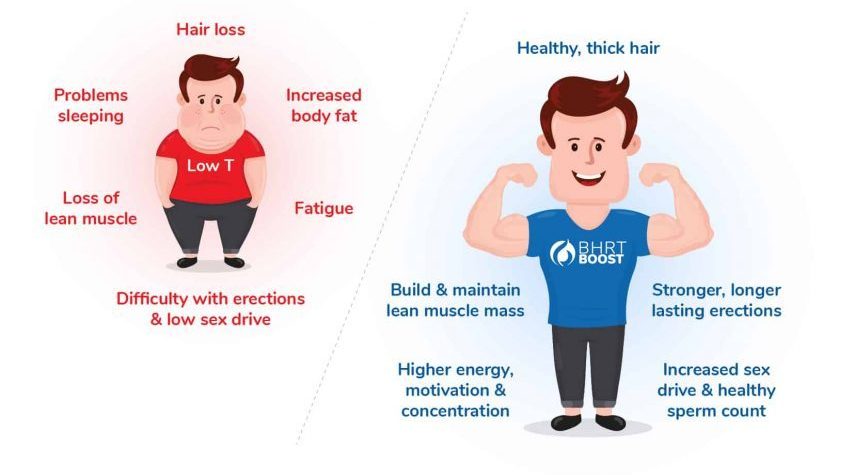
Testosterone Therapy
For MenEvidence-based testosterone therapy for men experiencing low T — restore drive, strength, and mental sharpness.
Learn more
Estrogen Balancing
For WomenPrecise hormone balancing for women navigating perimenopause, menopause, or hormonal imbalance at any stage.
Learn more
Lab Review
Men & WomenIn-depth hormone panels and biomarker analysis to create a precise, data-driven optimization strategy.
Learn more
Peptide Therapy
Men & WomenAdvanced peptide protocols to support recovery, metabolism, sleep quality, and cellular regeneration.
Learn moreRelated Conditions

Low Testosterone
For MenLow testosterone affects energy, strength, mood, and libido in men. Personalized therapy can restore your levels and how you feel.
Learn more
Perimenopause
For WomenPerimenopause marks the transition toward menopause, bringing hormonal shifts that affect mood, sleep, energy, and cycles.
Learn more
Menopause
For WomenMenopause brings significant hormonal changes that affect energy, sleep, mood, and long-term health. BHRT can help restore balance.
Learn more
Adrenal Fatigue
Men & WomenChronic stress can exhaust your adrenal system, leading to persistent fatigue, poor recovery, and hormonal imbalance.
Learn more
Thyroid Imbalance
Men & WomenThyroid dysfunction can mimic hormonal symptoms like fatigue, weight gain, and brain fog. Comprehensive testing reveals the full picture.
Learn more
Sleep Issues
Men & WomenHormonal imbalance is a major cause of insomnia, restless nights, and poor sleep quality — especially after 35.
Learn more
Brain Fog
Men & WomenHormonal imbalance is a leading cause of brain fog, difficulty concentrating, and memory lapses in adults over 35.
Learn more
Weight Gain
Men & WomenUnexplained weight gain or difficulty losing weight often stems from hormonal imbalance rather than diet or exercise alone.
Learn more
Start for Under $100/Month
Get started with comprehensive lab testing and a physician evaluation by Dr. Bruce J. Stratt, MD — telehealth or in-person. Initial bloodwork only $99.